
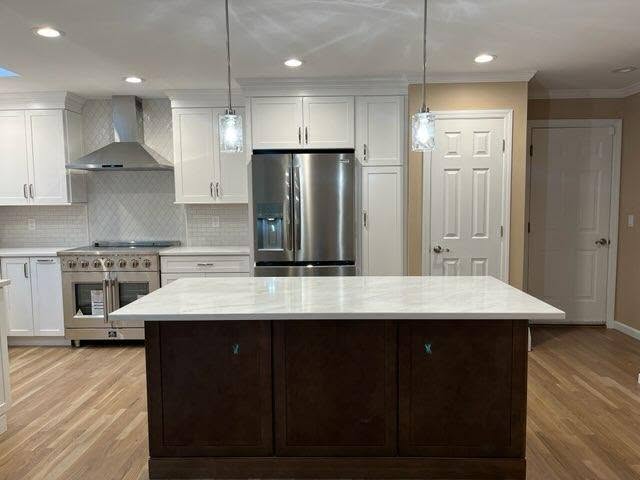
An addition is one of the biggest projects you can take on at home. A successful home addition begins long before materials are ordered and tools are in hand. In Suffolk County, the design, budgeting, and permitting can take weeks, and rushing any of this early stage can cost you money.
Starting your Suffolk County home addition project in fall gives you time to learn what’s possible, get real numbers, see the designs, and schedule the work before spring’s calendar fills up. Even if you aren’t ready to get started until next summer or later, the head start works in your favor.
Key Takeaways
- Planning can take weeks and sometimes months, depending on the scope. Starting now helps you prepare, even if you won’t build until after winter.
- Adding bedrooms and bathrooms can create unexpected septic upgrade requirements, which you will need to factor into the timeline and budget.
- Your town’s setbacks decide how big you can build. They vary throughout Suffolk County.
This is What You Should Do First When Planning a Home Addition
There are five crucial steps in home addition planning that you should work through in order this fall.
- Determine What the Space is For: Do you want to add a bedroom for your growing family, a suite for in-laws, or create a larger kitchen? Maybe you need a second living space for a busy home with teenagers. Deciding what you actually want to do with the space will help to guide your budget and will keep your planning in scope.
- Consider Your Budget: Design fees, permit fees, septic work, materials, labor, and professional fees can all stack up. Define your ideal and maximum budget. A cushion between the two helps to cover unexpected work.
- Check Zoning: Permits and regulations in Suffolk County are controlled by the town. You can contact your town’s building department to learn about specific setbacks, lot coverage, and whether you would need a variance before you pay for plans. Many homeowners choose to pause at this point and go directly to a home addition contractor to leverage their planning expertise and local regulatory experience.
- Start Talking to Your Contractor: A good contractor will assist with planning and design, help you define your budget, and offer support throughout the process. It’s not just about construction. It’s everything around it that can make your life simpler while a major home addition is underway.
- Finalize Your Plans and Apply for Permits: Your contractor can assist with permit applications, but you don’t need to rush into this. Finalize your plans and apply for permits when you’re ready to move forward. It can take several weeks depending on where you live in Suffolk County.

Why Should You Plan Now if You Aren’t Ready to Build?
If you wait until spring or summer, you will be competing with everyone who started planning their renovations and major remodeling projects in fall. Starting early gives you real advantages.
- Your Contractor Will Have Time for You:Long Island home addition contractors are often booked months ahead. Starting the process early ensures there’s space for you when you are ready to move forward.
- You Get Real Numbers: Seeing real numbers early will help keep your project in perspective. You might realize that you need a little more time to budget and to build a cushion for any unexpected costs.
- Time for Surprises:Learning that you need to upgrade your septic system or apply for a variance to overcome local zoning ordinance or code requirements could set your project back weeks or months. They aren’t surprises if you learn about them long before you plan to start construction.
- Better Control Over Timing:Suffolk County town permits don’t last forever. Your planning this fall means you can time the application to match your anticipated start date.
Suffolk County and the Home Addition Process
Suffolk County doesn’t have centralized permitting and regulations vary depending on where you live. Each town creates its own rules, and there are three things that often catch homeowners out when planning additions.
- Town Zoning: Every town in Suffolk County has its own setback rules and lot coverage limits. Many of the older homes in Suffolk already sit close to the property line. Setbacks vary depending on where you’re wanting to place your addition. If it extends toward the front yard or sides of your home near the boundary, you will usually have less flexibility than if it’s at the back. A home in Brookhaven will have completely different rules compared to one in Islip or Huntington.
- Variances:A home addition that doesn’t fit the zoning rules isn’t always a dead end. You can apply for a variance through the local Zoning Board. This is often needed when the current rules affecting your property aren’t practical or feasible to comply with.
- Septic Upgrades:If you add bedrooms (increasing the maximum occupancy of your home) or bathrooms, you will likely need a septic upgrade to comply with Suffolk County’s Sanitary Code. This is one of the most overlooked factors affecting the cost and timeline of home remodeling on Long Island.
With time to prepare for compliance, a variance application, or a septic review, you can avoid major delays and cost overruns.
Frequently Asked Questions
Do I Need an Architect for a Home Addition in Suffolk County?
No, not always. A contractor with a planning and design service can coordinate the process with you. This streamlines the cost and simplifies project management.
Can I Stay in My Home During an Addition?
Typically, yes. The biggest disruption occurs when rooms and utilities are connected. You might consider alternative accommodation if the project involves a second-story addition with temporary roof removal, or if the kitchen and bathrooms will be cut off from utilities for extended periods.
Plan Your Home Addition This Fall with New Island Construction
Fall is the best time to plan a home addition because it gives you more time to design, compare materials, budget, and overcome any regulatory hurdles.
New Island Construction has served Suffolk County homeowners since 2007. We’re licensed and insured, our work is guaranteed, and we understand Suffolk County’s unique town zoning requirements. We will support you to ensure that your project is ready to move forward when you are.
Call us at 631-739-7514 to plan Suffolk County additions that add value, practicality, and beauty to your home.


